
2026 Transparency Laws and Disclosures for Silicon Valley Home Sellers
March 16, 2026
March 16, 2026
As of March 2026, the "handshake deal" and the "anonymous purchase" are officially relics of the past. A wave of new state and federal legislation has just taken effect, fundamentally changing the disclosure landscape for homeowners in Los Gatos, Saratoga, and the greater Silicon Valley area.
If you are planning to sell your home this year, the "Standard Disclosure" package has grown. Here are the three critical transparency updates you—and your legal team—need to be aware of.
Effective Date: March 1, 2026
The Core Change: For years, high-net-worth buyers in Silicon Valley used LLCs and Trusts to keep their home purchases private. Those days are over for non-financed (all-cash) deals.
Under the new FinCEN Residential Real Estate Rule, any non-financed transfer of residential property to a legal entity or trust must now be reported to the Treasury Department.
What is reported: The "Beneficial Owners"—the actual humans behind the LLC or Trust—must provide their full legal name, date of birth, and a government-issued ID.
Why it matters to Sellers: While the burden of filing typically falls on the settlement agent (Title/Escrow), sellers need to be prepared for longer due-diligence periods. If your buyer is an entity, the "know your customer" requirements may add complexity to your closing timeline.
Effective Date: January 1, 2026
The Core Change: California has officially cracked down on the "Instagram vs. Reality" problem in real estate marketing.
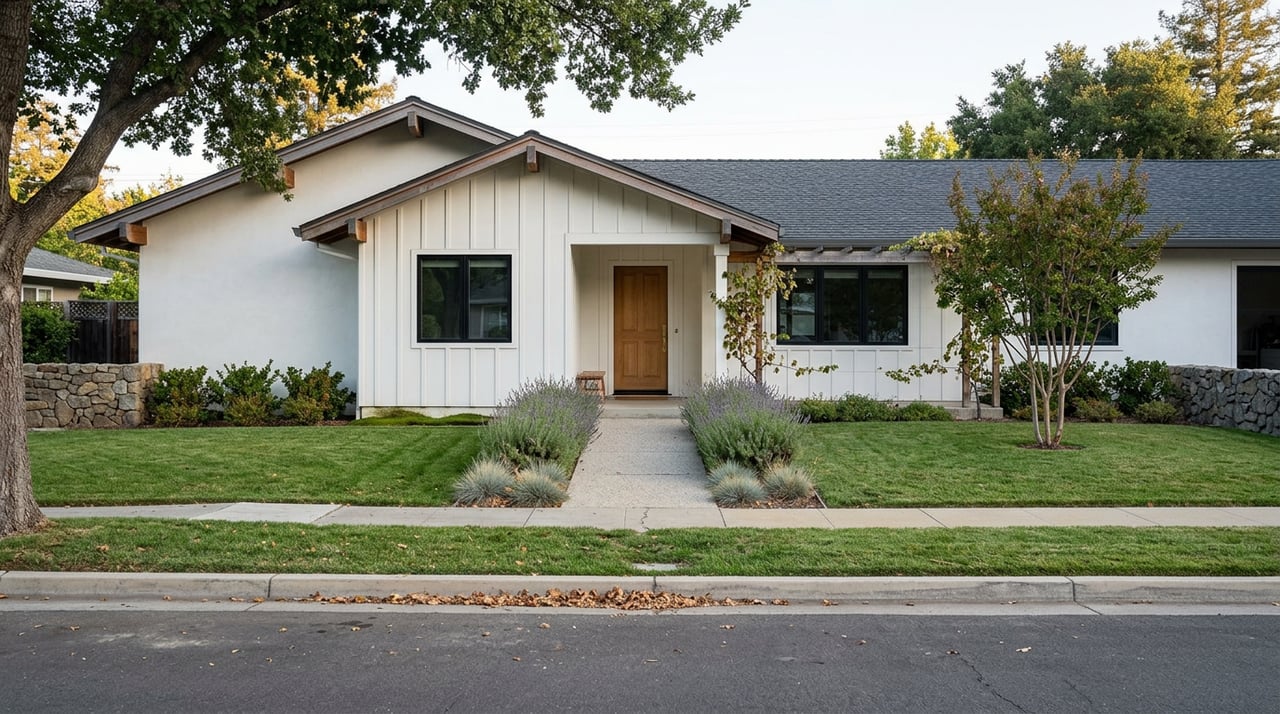
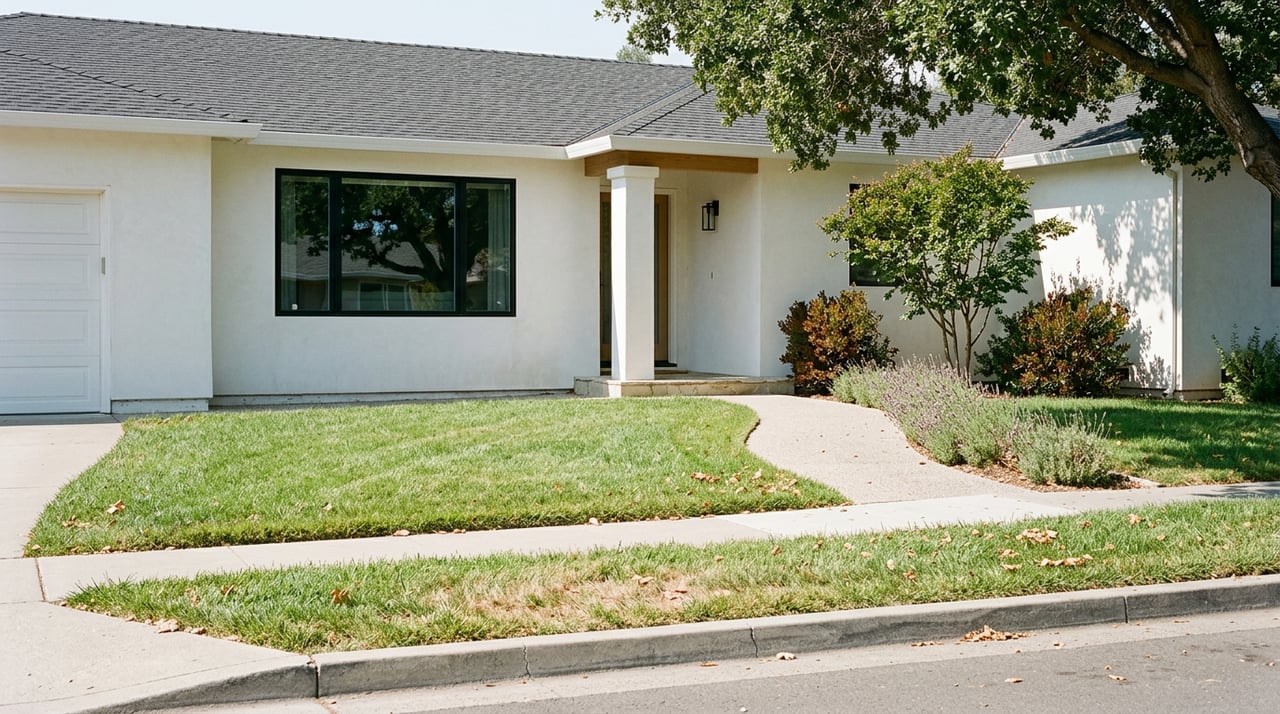
If a listing photo has been digitally altered using AI or advanced editing software to change the physical representation of the home, it must be disclosed.
What needs a disclosure: Adding virtual furniture (virtual staging), changing wall colors, digitally "painting" the exterior, or removing power lines from a view.
The Requirement: You must include a "reasonably conspicuous" statement on or near the image stating it has been altered. Furthermore, you must provide a link or QR code that allows the buyer to see the original, unaltered photo.
The Bouja & Swenson Standard: We aim to be 100% compliant with this new law, marking all digitally altered photos as such. This allows us to stay transparent while still showcasing a home's maximum potential.
Effective Date: January 1, 2026
The Core Change: We are all familiar with disclosing mold or lead-based paint. Now, "Thirdhand Smoke"—the chemical residue left behind on walls, carpets, and ventilation—is a mandatory disclosure item in California.
The Rule: Sellers must disclose in writing if they have actual knowledge of tobacco or nicotine residue on the property, or a history of smoking/vaping inside the home.
The Scope: This isn't just for traditional cigarettes. It includes e-cigarettes and high-end vaping devices.
The Risk: Failing to disclose a history of indoor smoking can now be treated as a material misrepresentation, opening sellers up to post-closing litigation if a buyer discovers residue during a renovation.
In a high-liability market like Santa Clara County, the safest path for a seller is radical transparency. At Bouja & Swenson Group, we specialize in navigating these technical hurdles. We work closely with our compliance teams at Golden Gate Sotheby's International Realty to ensure that every box is checked before your home ever hits the "Live" status.
Selling a home in 2026 requires more than a sign in the yard; it requires a compliance strategy.
Stay up to date on the latest local happenings and real estate trends.







Having the right team on your side makes all the difference. At Bouja & Swenson Group, we’re ready to connect with you and provide the personalized service you deserve.