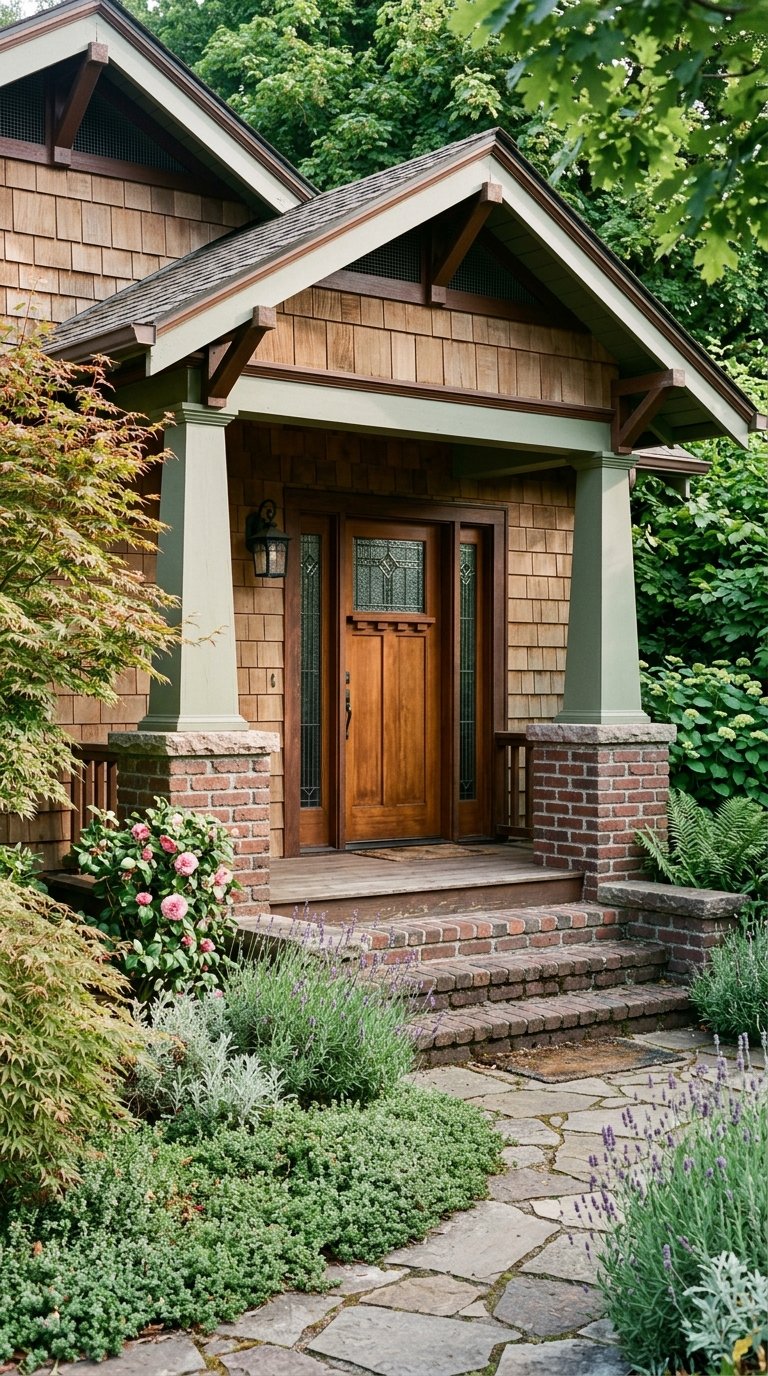
Guide To Buying Historic Homes In Willow Glen
April 16, 2026
April 16, 2026
Dreaming about a historic home in Willow Glen? You are not alone. The area’s older houses often stand out for their architectural detail, mature landscaping, and strong sense of place, but buying one takes more than falling in love with the curb appeal. If you want to protect your budget, understand renovation limits, and make a smart offer, this guide will walk you through what to check before you buy. Let’s dive in.
In Willow Glen, “historic” does not always mean the same thing from one property to the next. Willow Glen is a San José neighborhood with a layered residential history, and the city identifies the North Willow Glen Conservation Area as part of San José’s preserved historic fabric. That area is made up mostly of small-lot residential properties developed between 1885 and 1955.
The neighborhood is known for a mix of older homes rather than one uniform style. City historic-resource records for Willow Glen show examples of Spanish Colonial Revival, Dutch Colonial Revival, Colonial Revival, and Shingle-style homes. According to a City of San José historic-resource evaluation, some streets include homes from the 1920s and 1930s on land that was once subdivided from orchards, which helps explain Willow Glen’s varied character.
That local identity is a big part of the appeal. The Willow Glen Neighborhood Association describes the area through its history, architecture, nature, and walkability, while the city highlights downtown Willow Glen as a nostalgic small-town main street district. For you as a buyer, that means charm is real, but so are the rules that can come with it.
Before you think about remodeling, pricing, or even offer terms, confirm how the property is classified. The City of San José says the starting point is to check whether the home appears on the Historic Resources Inventory and what classification it has. That single step can shape what kind of review a future project may require.
This is important because not every older home is formally designated. The city notes that inclusion in a survey does not automatically make a building or neighborhood historic. In other words, a house may look historic and still not be subject to the same level of review as a City Landmark or a property in a designated district.
For buyers, this distinction matters right away. A home in a conservation area, a home on the Historic Resources Inventory, and a home with no formal designation may each come with a different renovation path, timeline, and cost structure.
Historic-home buyers often assume they can sort out permits later. In Willow Glen, it is smarter to understand the review path before you commit, especially if you already know you want to update the exterior, expand the footprint, or rebuild parts of the property.
According to the city’s historic-resources permit guidance, a City Landmark or a property within a City Landmark District requires a Historic Preservation Permit and must conform to the Secretary of the Interior’s Standards for Rehabilitation. Other historic-resource categories or conservation-area properties may instead require a Single-Family House Permit or a Permit Adjustment, depending on the scope of work.
The city also draws a clear line between minor work and major alterations. Minor exterior changes may include:
These may be reviewed administratively. Major alterations and new construction can require public hearings, and for single-family properties on the Historic Resources Inventory, demolitions and new house construction go through a public hearing process.
There is one useful exception to know. The city says ordinary maintenance, such as painting or in-kind repairs that do not change the exterior appearance, does not require a Historic Preservation Permit. That can help you separate true preservation review issues from normal upkeep.
If you buy an older Willow Glen home, design decisions should not start with guesswork. San José’s Your Old House: Guide for Preserving San José Homes was adopted to help owners rehabilitate exteriors without losing neighborhood character.
This guide matters because it is not just a suggestion piece. The city says the Historic Landmarks Commission also uses it when reviewing landmark projects. If your future plans include exterior work, reading the guide early can help you understand what types of changes are more likely to align with the city’s preservation goals.
The same city resource also notes two points buyers should know in advance. First, the State Historic Building Code can allow reasonable alternatives to regular code requirements for qualified historic resources. Second, Mills Act historical property contracts are available to City Landmarks in exchange for preservation and rehabilitation, while the federal 20% rehabilitation tax credit applies to income-producing properties rather than owner-occupied private residences.
Historic appeal and older-home maintenance often come as a package. In Willow Glen, your due diligence should go beyond style and layout and focus on health, safety, and compliance issues that can affect both cost and renovation timing.
The EPA says homes built before 1978 may contain lead-based paint. Buyers of most pre-1978 housing must receive lead disclosure information before signing a contract. If you are considering repairs or remodeling, lead-safe practices may become part of your budget.
The EPA also notes that asbestos-containing materials can release fibers when they are disturbed, damaged, or removed improperly. For any work that could affect suspect materials, the agency recommends trained and accredited asbestos professionals.
Older homes can have structural issues that are not obvious during a casual showing. The California Earthquake Authority says owners of older houses, including those built before 2000, should consider seismic retrofit. State guidance also notes that older house frames are often not bolted to foundations and cripple walls may lack bracing.
That matters in both safety and cost planning. The California Earthquake Authority also says properly retrofitted older homes may qualify for earthquake-insurance discounts of up to 25%, depending on the home.
Willow Glen’s mature landscaping is part of its visual appeal, but it can also affect what you can do with the lot. San José requires permits for street trees, heritage trees, and ordinance-size trees, and the city warns that illegal pruning or removal can carry substantial fines.
If you are buying with plans for an addition, regrading, or major yard work, tree rules can directly affect feasibility. A mature tree is not just a landscaping detail. It can influence your project timeline, cost, and design options.
When you buy a historic home in Willow Glen, your offer should reflect more than comparable sales and aesthetics. It should also account for how the property’s status may shape future costs, timing, and flexibility.
Start with the city’s classification framework. If the home is in the Historic Resources Inventory, within a conservation area, or neither, that should inform how you assess value and risk before you submit terms.
Think carefully about what you want to change. If your plans are limited to items like windows, reroofing, a fence replacement, or a modest rear addition, the review path may be simpler than if you want a major addition, demolition, or a rebuild.
Your renovation budget should include more than visible upgrades. Lead-safe work, asbestos-related precautions, seismic improvements, and potential tree permit issues can all affect the real cost of ownership.
If you want flexibility after closing, contingencies matter. Specialty inspections and permit review can be especially important when you are buying an older home with plans to expand, modernize exterior features, or alter the site.
One reasonable takeaway from Willow Glen’s preservation framework is that character matters here. Homes that retain character-defining features while allowing thoughtful, compatible updates may be easier to position later because the neighborhood identity is closely tied to architecture, walkability, and mature landscaping. That does not guarantee a price premium, but it is worth keeping in mind as you evaluate what to preserve and what to change.
Buying a historic home is rarely a plug-and-play transaction. In Willow Glen, the right purchase often comes down to understanding not just the house itself, but also the city review process, likely condition issues, and how your long-term plans fit the property.
That is where experienced representation can make a meaningful difference. When you have clear guidance on classification, inspection strategy, and renovation feasibility before you commit, you are in a stronger position to write an offer with confidence and avoid surprises later.
If you are considering a historic or character home in Willow Glen, the Bouja & Swenson Group can help you evaluate the property through both a lifestyle and due-diligence lens so you can move forward with clarity.
Stay up to date on the latest local happenings and real estate trends.

Explore the best "locals-only" hiking trails in Los Gatos, Saratoga, and beyond.

Selling a home in Silicon Valley in 2026? Learn about Organic Modern staging, LiDAR scans, and the tech-ready features today's buyers demand.
Having the right team on your side makes all the difference. At Bouja & Swenson Group, we’re ready to connect with you and provide the personalized service you deserve.