Everyday Life In Saratoga Village
February 19, 2026
February 19, 2026
You want small‑town ease with Silicon Valley access and a daily rhythm that feels both refined and relaxed. Saratoga’s Historic Village delivers that mix: morning coffee on Big Basin Way, a quick produce run on Saturday, and an evening art event just up the hill. In this guide, you’ll see what everyday life looks like, from errands and dining to parks, culture, schools, commute basics, and what local homes typically cost. Let’s dive in.
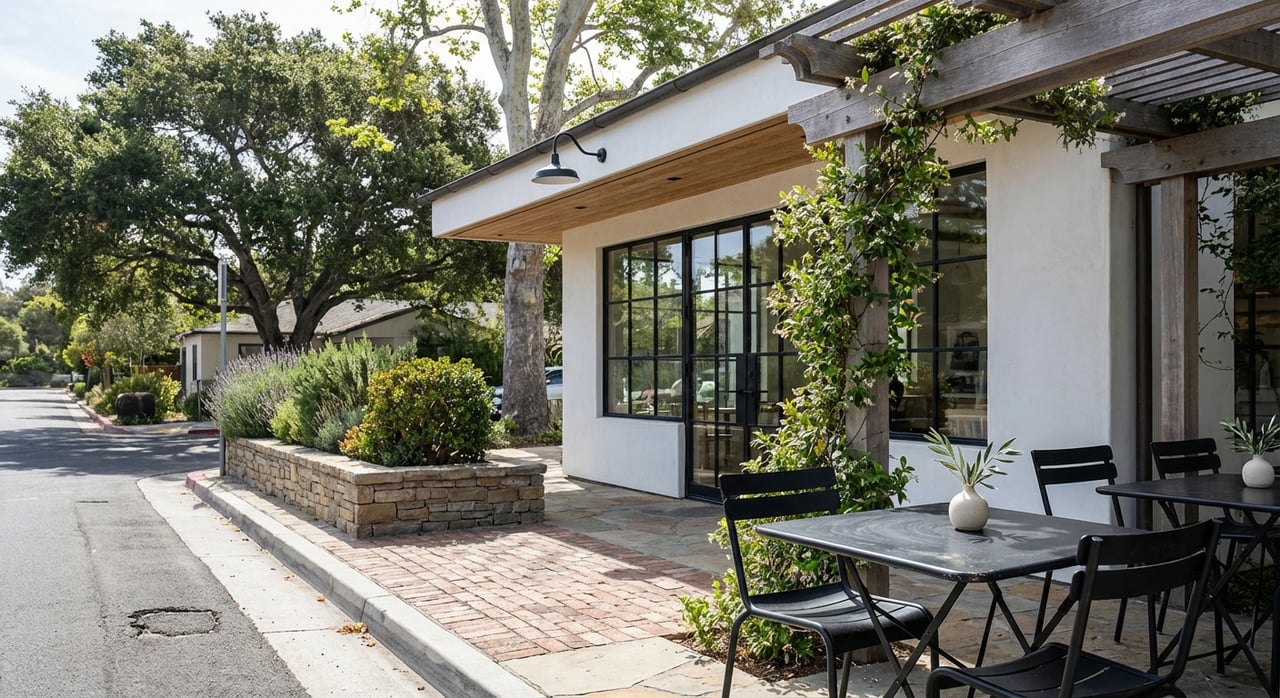
Saratoga Village is the city’s heart along Big Basin Way, a compact, walkable strip of cafés, boutiques, galleries, and small offices. You can stroll between shops, linger at sidewalk tables, and feel the pace slow as you step off the curb. The City highlights ongoing work to make the Village more pedestrian friendly, including parking and accessibility improvements that support everyday errands and community events. You can read more about the Village’s role as a community hub on the City’s page for Saratoga Village.
Set at the base of the Santa Cruz Mountains, parts of Saratoga carry a semi‑rural feel. Many streets near the foothills have larger lots, mature trees, and a quiet, residential character that contrasts with busier valley corridors. The result is a blend of small‑town main street and green, hillside living in one address.
The Village serves up a full spectrum of dining. You have neighborhood cafés and casual global spots for weeknights, plus beloved standbys like La Fondue and La Mère Michelle for a special dinner. For true fine dining, Plumed Horse adds a destination feel right in town.
For fresh produce and prepared foods, the Saratoga Farmers Market at West Valley College is a weekly ritual. Saturday mornings bring 50‑plus vendors in season, so you can stock up on local produce, flowers, cheeses, and ready‑to‑eat bites before an afternoon hike. Check the current schedule on the Saratoga Farmers Market page.
Everyday services are close at hand. You’ll find salons, small banks, and professional offices in and around the Village, with larger supermarkets and home services a short drive away. Parking is available and typically easy during daytime errands, though village events can draw crowds. The City outlines recent and planned accessibility and parking upgrades that continue to support local business activity in and around Saratoga Village.
Montalvo Arts Center at Villa Montalvo is a signature local landmark. The historic Mediterranean‑style estate anchors a 175‑acre property that blends arts programming with public grounds, trails, and formal gardens. Residents come for concerts, festivals, classes, and quiet walks across lawns and lookout points. Learn about the estate’s history and programs on the Montalvo Arts Center site.
Within minutes of the Village, Hakone Estate & Gardens offers one of the oldest Japanese‑style residential gardens in the country. It is intimate, beautifully curated, and open to the public with seasonal hours. You can enjoy quiet pathways, tea garden views, and cultural programming throughout the year. See visitor details for Hakone Estate & Gardens.
Set on a hillside with wide valley views, the Mountain Winery is both a tasting destination and a summer concert venue. Locals plan date nights and group outings around the outdoor show calendar, often pairing it with dinner in the Village. Explore events and tasting hours at The Mountain Winery.
Saratoga’s foothill setting puts you minutes from wide‑open preserves like Fremont Older, El Sereno, and Sanborn. These areas offer hiking, mountain biking, and on designated routes, horseback riding. If you want a quick weekday workout with ridge views, start with the network at Fremont Older Open Space Preserve and branch out from there.
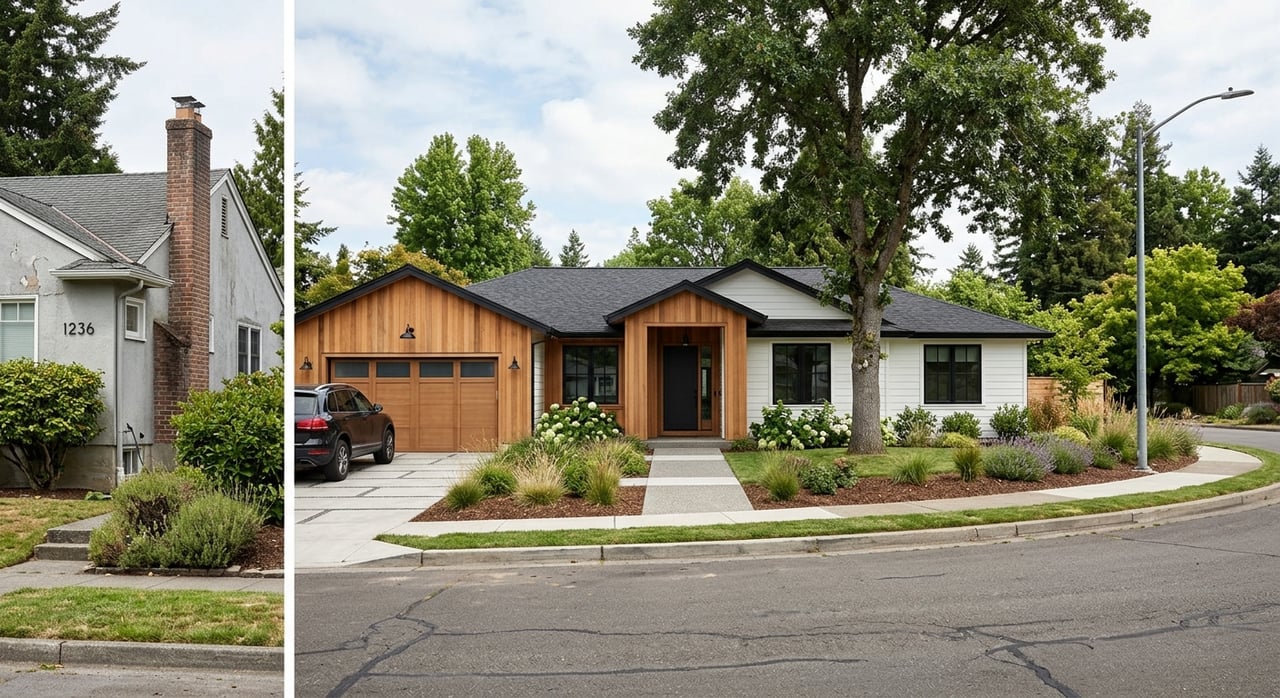
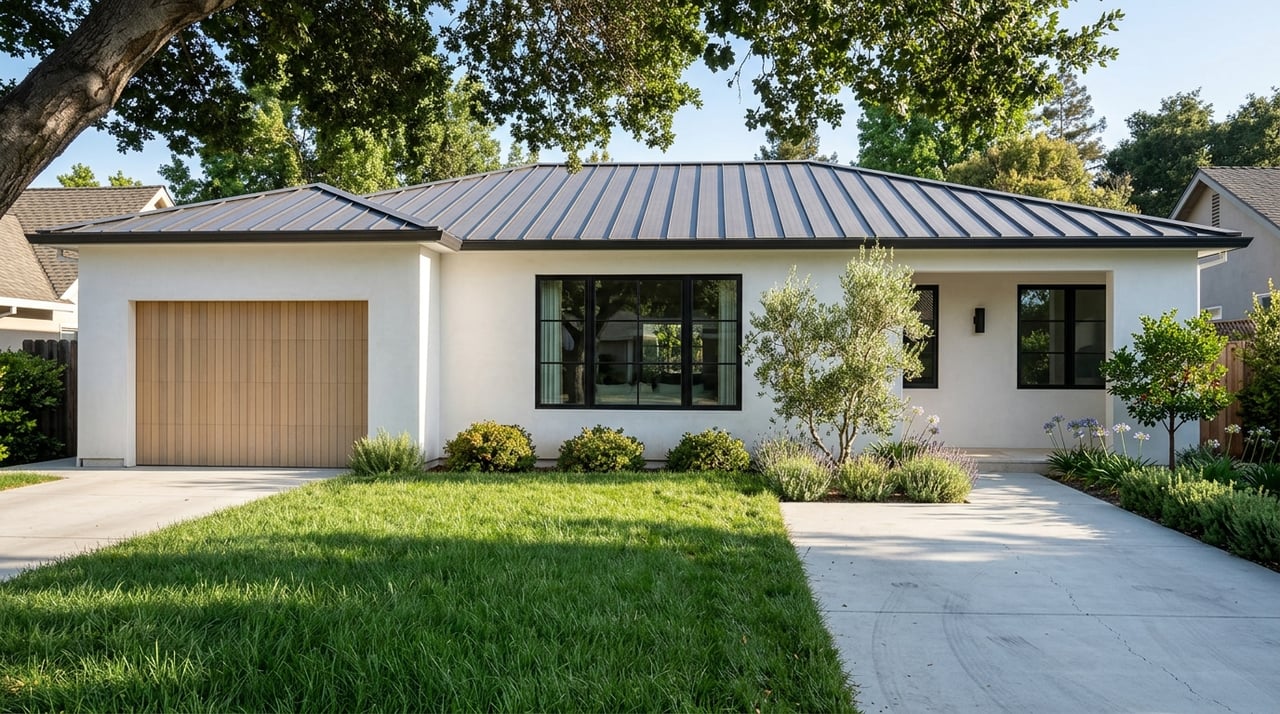
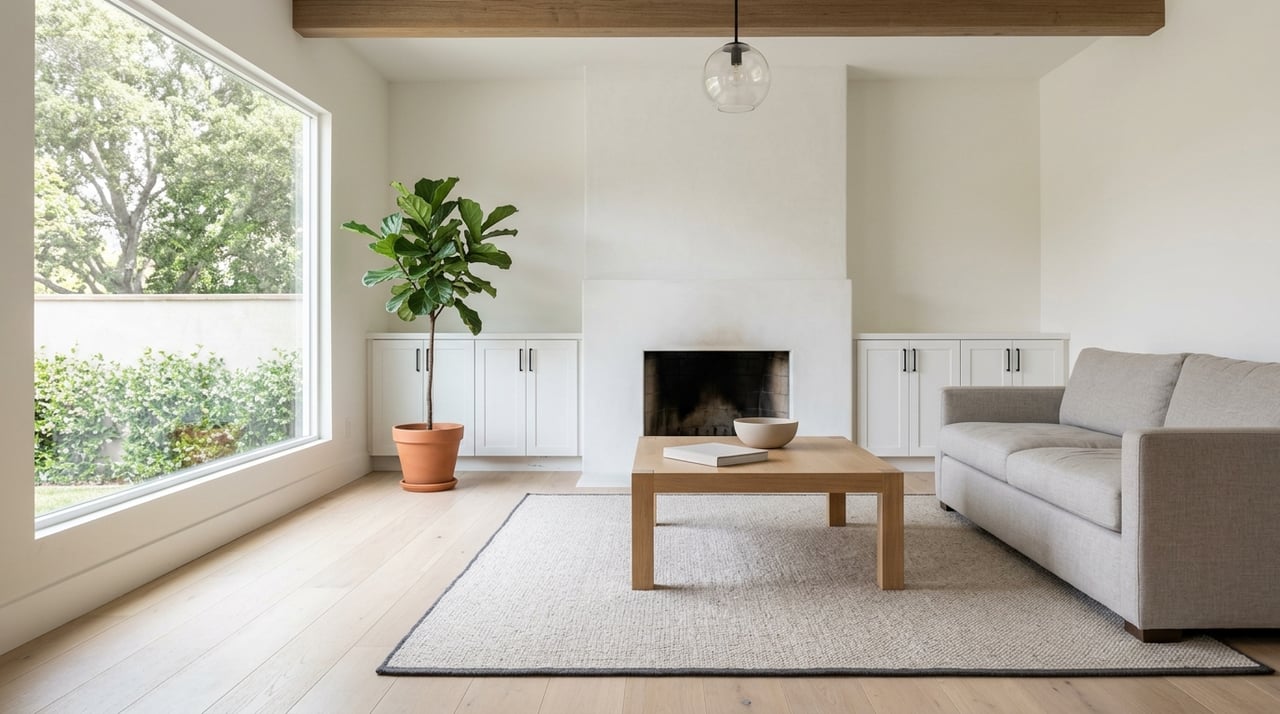
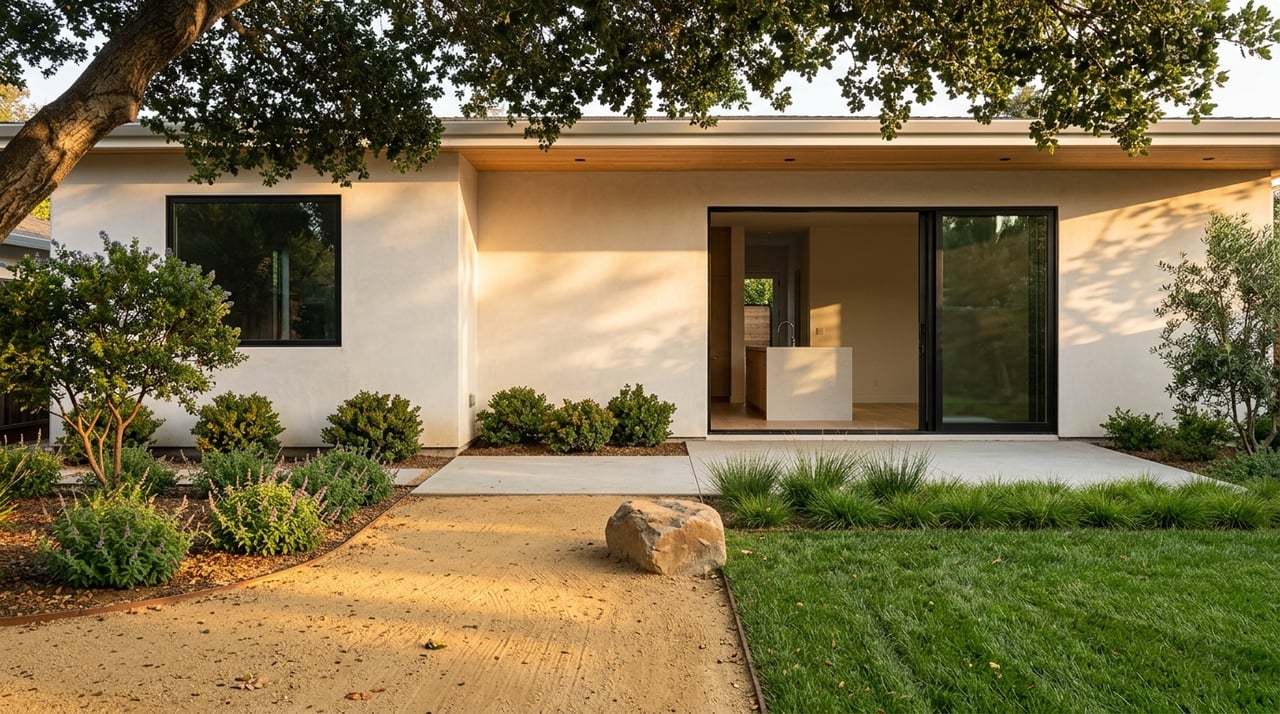
Saratoga is primarily single‑family in character. Near the Village, you will see smaller‑lot cottages and updated historic homes on leafy streets. As you head toward the foothills, lots often get larger, with mid‑century and ranch homes, plus estate‑level properties set back for privacy.
The city’s owner‑occupied rate is about 86.4 percent, and Census data places the median value of owner‑occupied homes at $2,000,000 or more. Median household income is $250,000 or more, which helps explain the high ownership levels and the quality of local housing stock. For a quick read on these figures, see the Census snapshot for Saratoga, California.
Price signals vary by source and micro‑neighborhood, so it is best to use a range. Recent aggregator figures cluster roughly between about 2.9 million and 4.0 million depending on area and timing. A 12‑month sales snapshot shows a median near the mid to high 3 million range for single‑family homes in the city; you can scan recent trends on PropertyFocus. Expect prices to shift by location, lot size, architecture, and condition.
Local zoning patterns also shape what you see on the market. Saratoga has historically maintained a high proportion of single‑family zoning, which supports larger lots, a low‑density feel, and a limited pipeline of for‑sale inventory. Regional research outlines where Saratoga sits within the Bay Area’s zoning landscape at UC Berkeley’s Othering & Belonging Institute: Single‑family zoning in the Bay Area.
From the Village, you connect to Silicon Valley job centers via SR‑85, I‑280, and SR‑17. The American Community Survey reports a mean travel time to work of about 25 minutes, which reflects car‑based suburban commuting. For many residents, the tradeoff is clear. You gain space, quiet streets, and easy trail access while staying within a practical drive of major employers. Review commute figures on the Census profile for Saratoga.
Public transit options are more limited than in denser county hubs. Most residents drive for shopping beyond the Village and for daily commuting. If you plan to rely on transit, build your schedule around park‑and‑ride or Caltrain access in nearby cities and expect a multi‑leg trip.
Saratoga is served by Saratoga Union Elementary School District for K–8 and Los Gatos–Saratoga Union High School District for high school. School quality is a common reason buyers consider this area. Saratoga High receives strong marks from school‑rating services; you can review one example on GreatSchools. Always visit schools and verify details that matter to you.
Picture your Saturday. You start with a coffee on Big Basin Way, then head to the farmers market at West Valley College for produce and fresh pastries. By mid‑afternoon, you are on the trails at Fremont Older or walking the grounds at Villa Montalvo. Dinner is a local staple in the Village, and on concert nights you finish with a show at the Mountain Winery under the stars.
Weekdays are simple and close. Morning drop‑offs and errands fit into the Village grid. After work, you can meet a friend for a quick bite, hike a nearby ridge, or schedule a gallery visit at Montalvo. Life feels organized, scenic, and convenient.
Saratoga Village makes day‑to‑day living feel intentional and easy, with culture, dining, and trails all within reach. If you are exploring a move, you deserve senior‑level guidance and boutique marketing that meet the standard of the homes here. Start a private conversation with the Bouja & Swenson Group to align on strategy and timing, and Get a Free Market Analysis.
Stay up to date on the latest local happenings and real estate trends.
Having the right team on your side makes all the difference. At Bouja & Swenson Group, we’re ready to connect with you and provide the personalized service you deserve.