Thinking about remodeling before you sell your Cambrian Park home? You want every dollar to work hard, not disappear into upgrades buyers won’t pay for. The good news: in Cambrian Park’s mid‑century ranch homes, focused, midrange updates often deliver the best resale impact. In this guide, you’ll learn which projects typically add value, what to skip, how to time your work over 6–18 months, and how to handle permits and contractors. Let’s dive in.
What buyers expect in Cambrian Park
Cambrian Park has many single‑story ranch homes built from the 1940s to the 1970s. Today’s buyers include local families and professionals who want move‑in‑ready spaces. They tend to prioritize updated kitchens and bathrooms, clean flooring, usable outdoor areas, and well‑maintained systems.
Because baseline home prices are high in the Bay Area, buyers often expect modern finishes and solid building systems. Meeting the neighborhood standard usually yields stronger ROI than installing ultra‑luxury features that push beyond nearby comparable homes.
High‑ROI remodels for Cambrian Park ranch homes
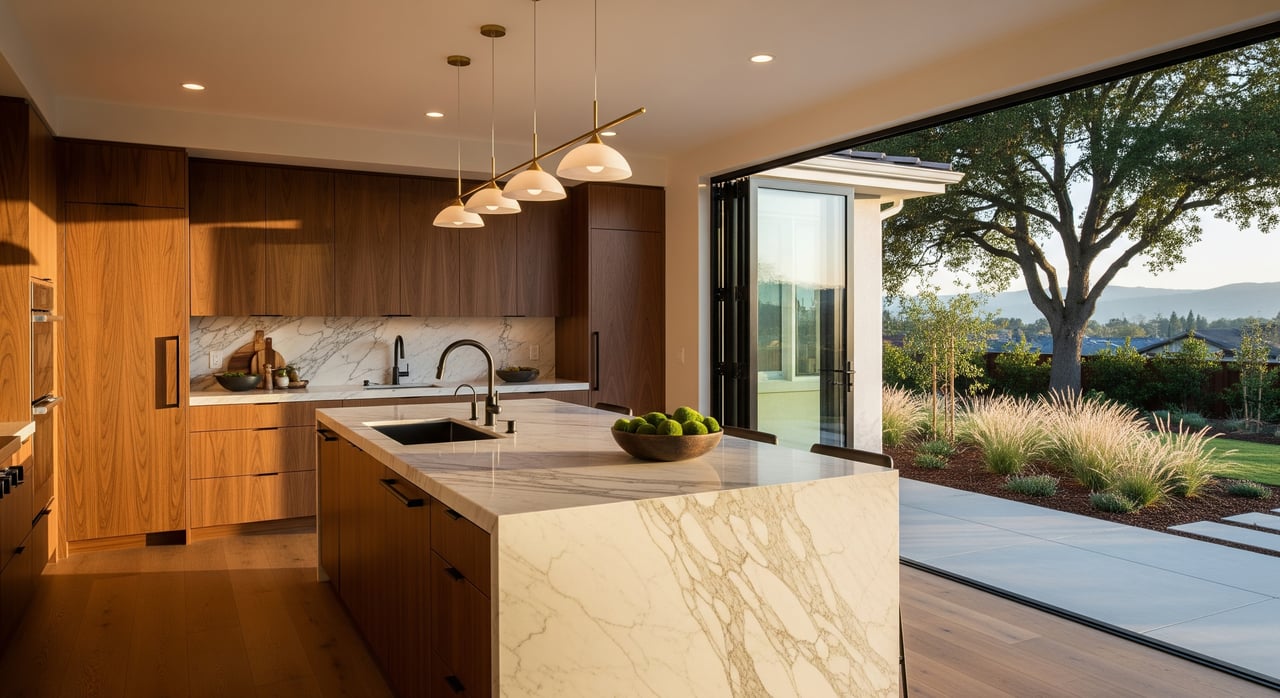
Kitchen: midrange refresh that shows well
Kitchens are top decision drivers. Focus on a clean, functional look that fits neighborhood comps.
- Reface or refinish cabinets, add new hardware, and choose durable quartz counters.
- Update sink, faucet, backsplash, and lighting; paint with neutral colors.
- Improve flow only if there is a clear bottleneck. Avoid costly structural changes unless they solve a major issue.
- Choose reliable, energy‑efficient stainless appliances. Skip ultra‑high‑end brands that overshoot the market.
A midrange refresh often returns more, percentage‑wise, than a full luxury gut because the cost is lower and the appeal is broader.
Main bathroom: clean, bright, and practical
A modern, well‑lit bathroom signals “move‑in‑ready.”
- Reglaze or replace the tub/shower as needed.
- Install a new vanity and counter, modern fixtures, and neutral tile.
- Improve ventilation and lighting. In small baths, add storage through vanity drawers or a medicine cabinet.
Keep finishes in line with nearby updated homes for the best resale impact.
Flooring and unified finishes
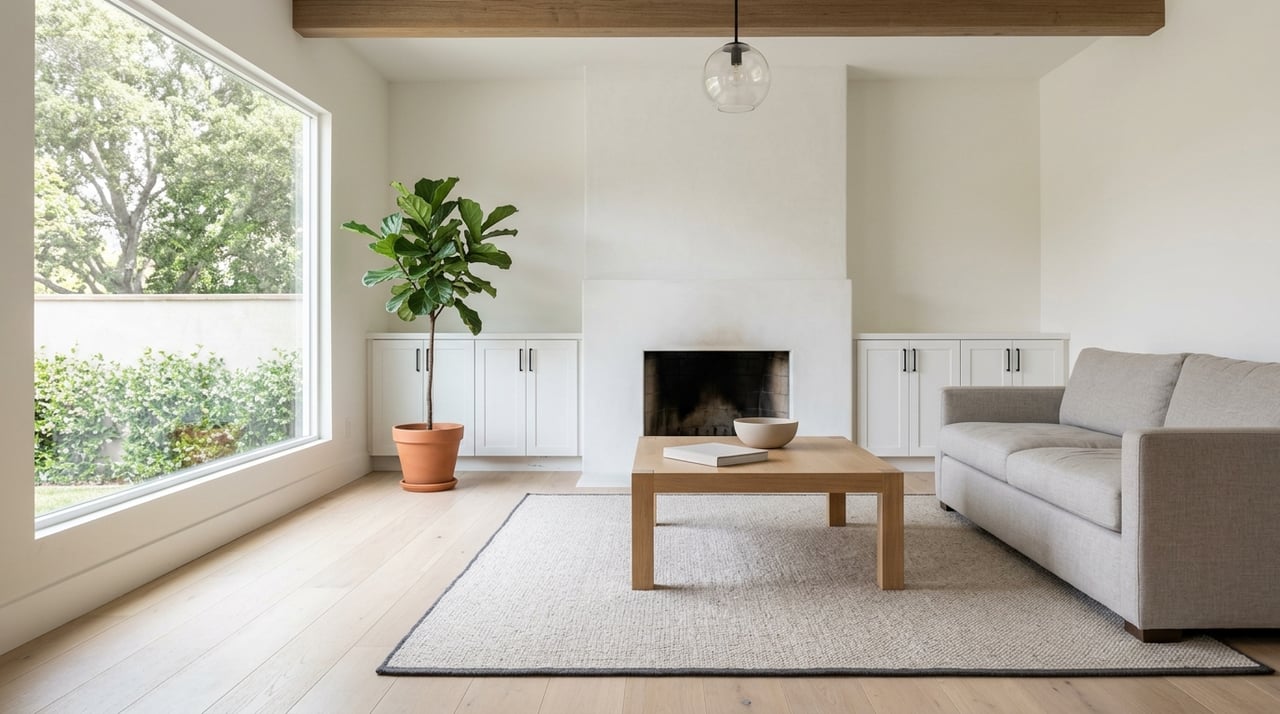
House‑wide flooring sets the tone.
- Replace worn carpet or mismatched surfaces with engineered hardwood or quality LVP in neutral tones.
- If replacing only some areas, ensure transitions look intentional and cohesive.
Unified flooring can modernize the entire home at a relatively efficient cost per square foot.
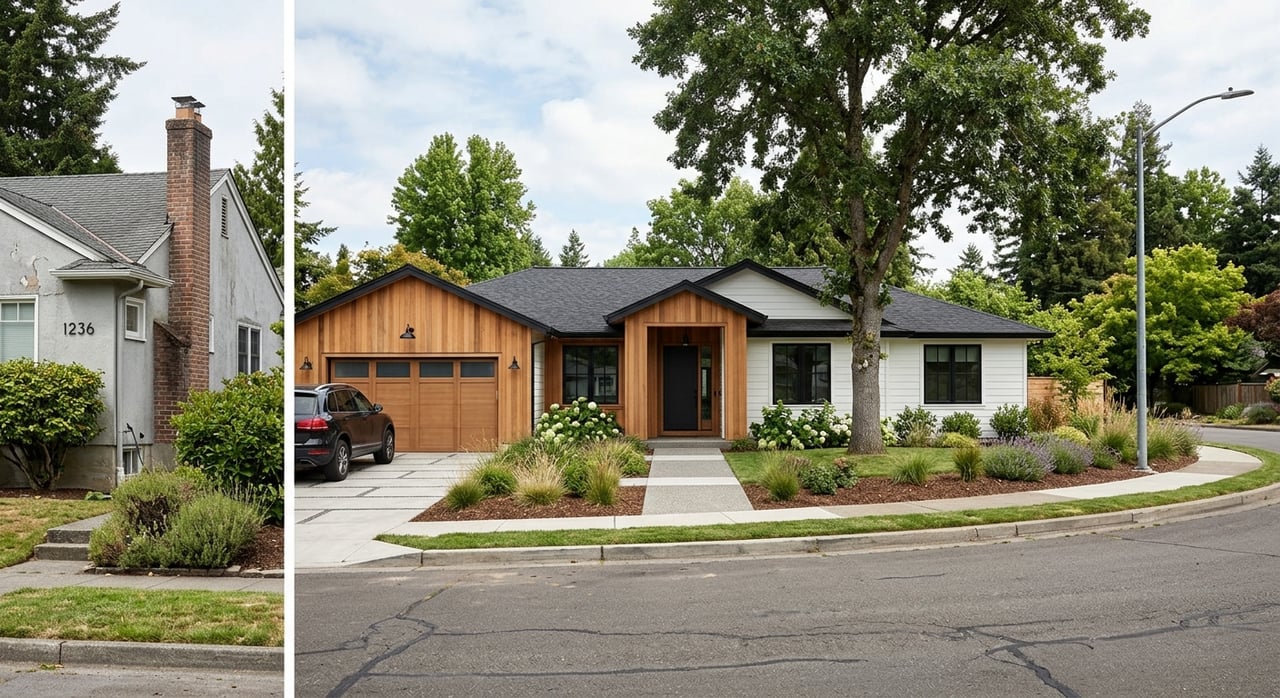
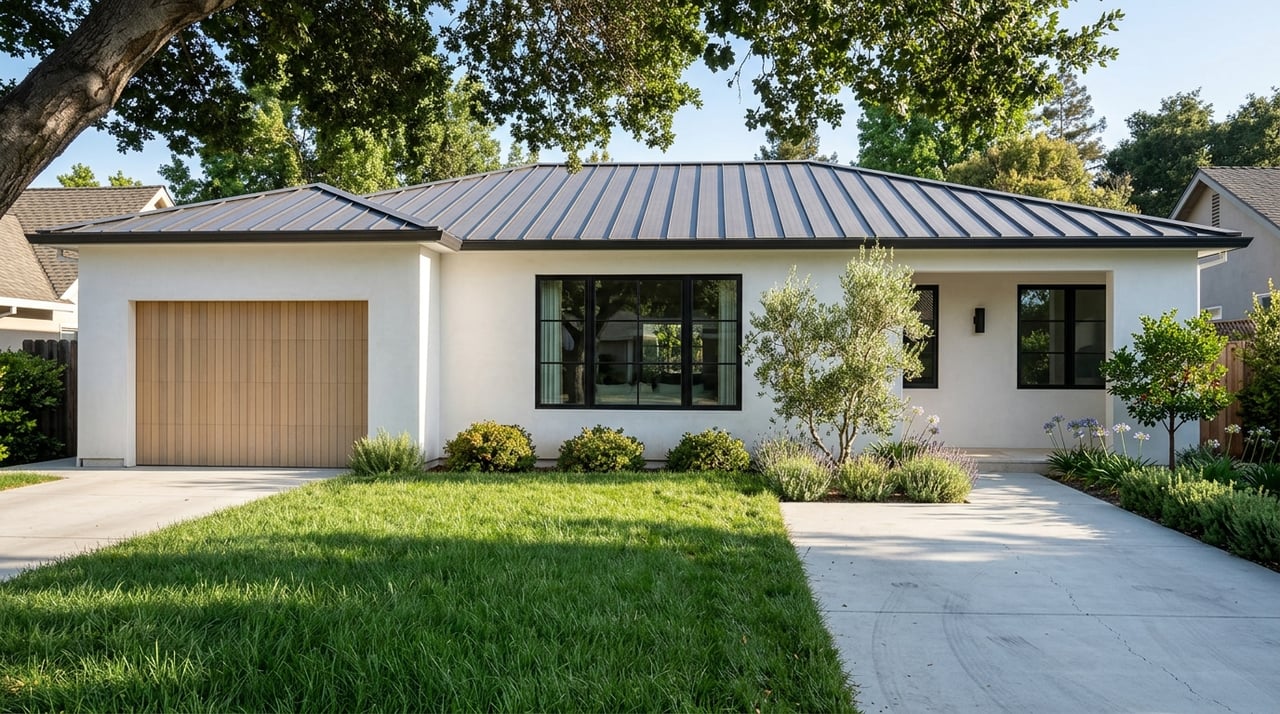
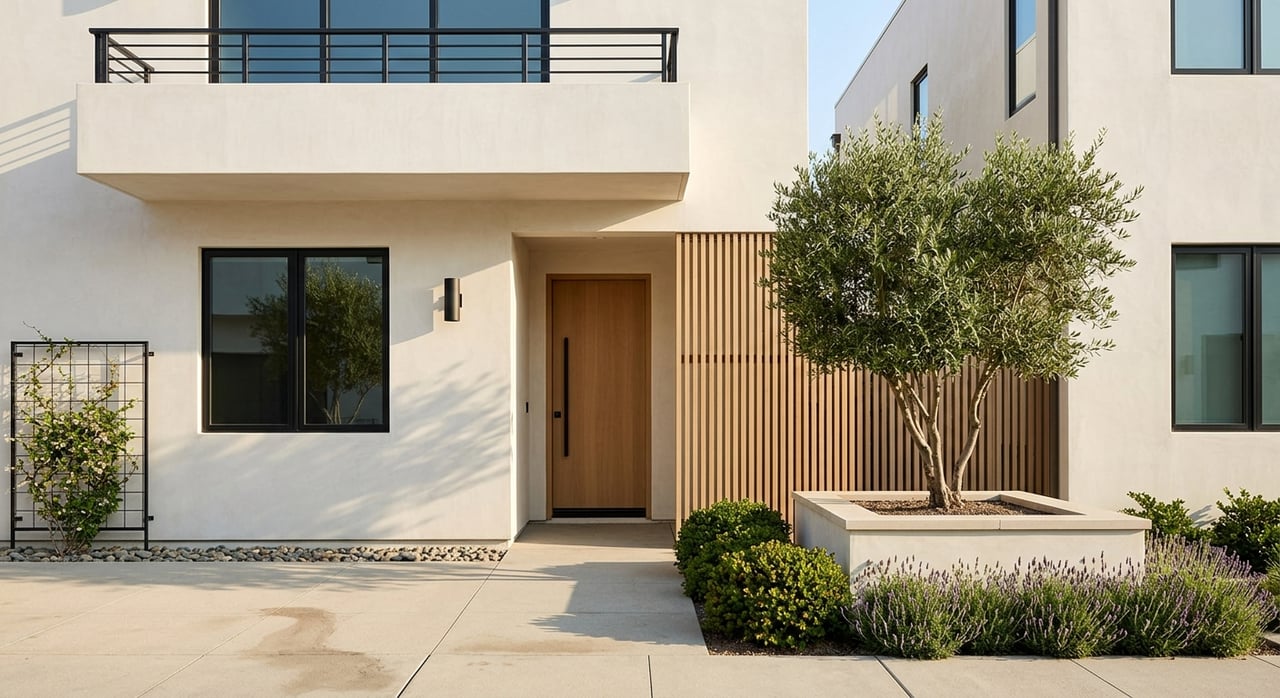
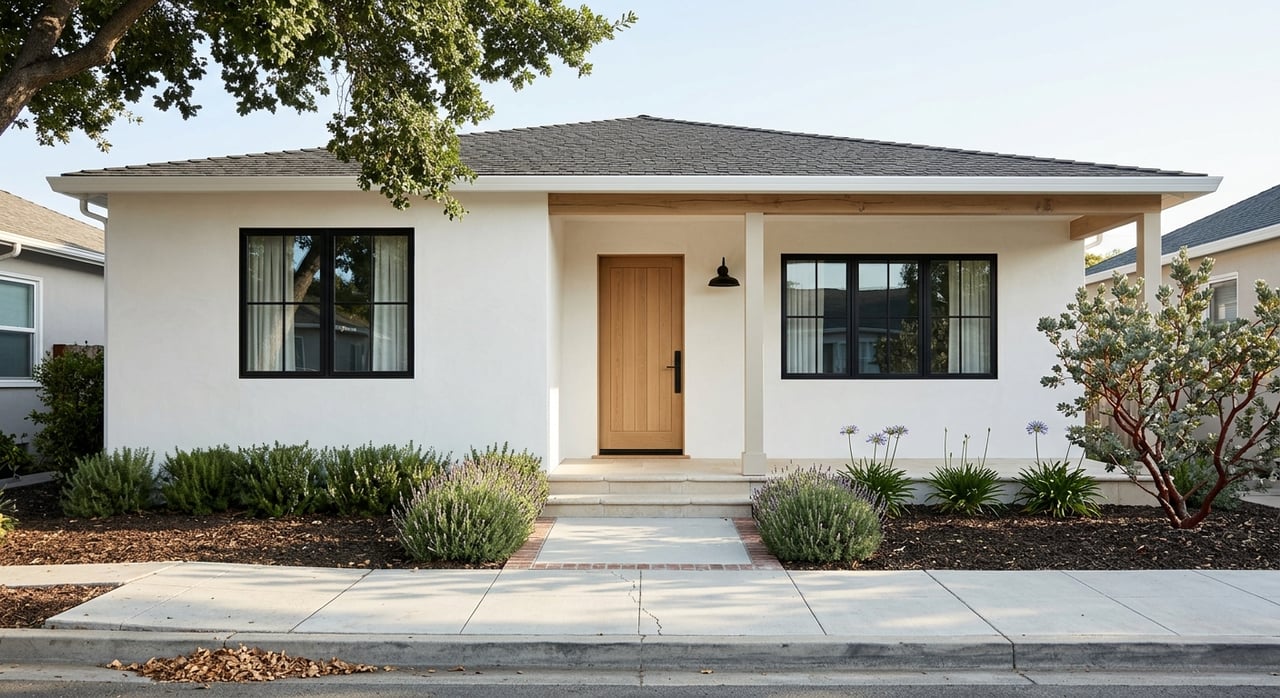
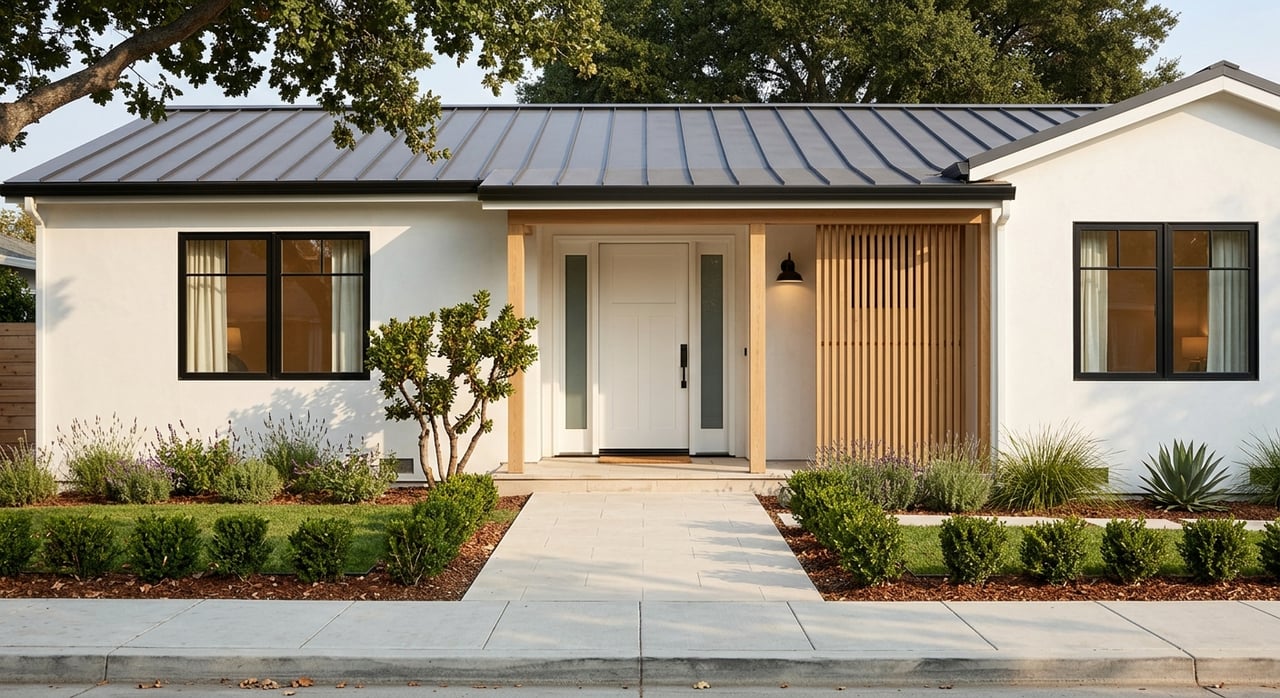
Curb appeal and exterior touch‑ups
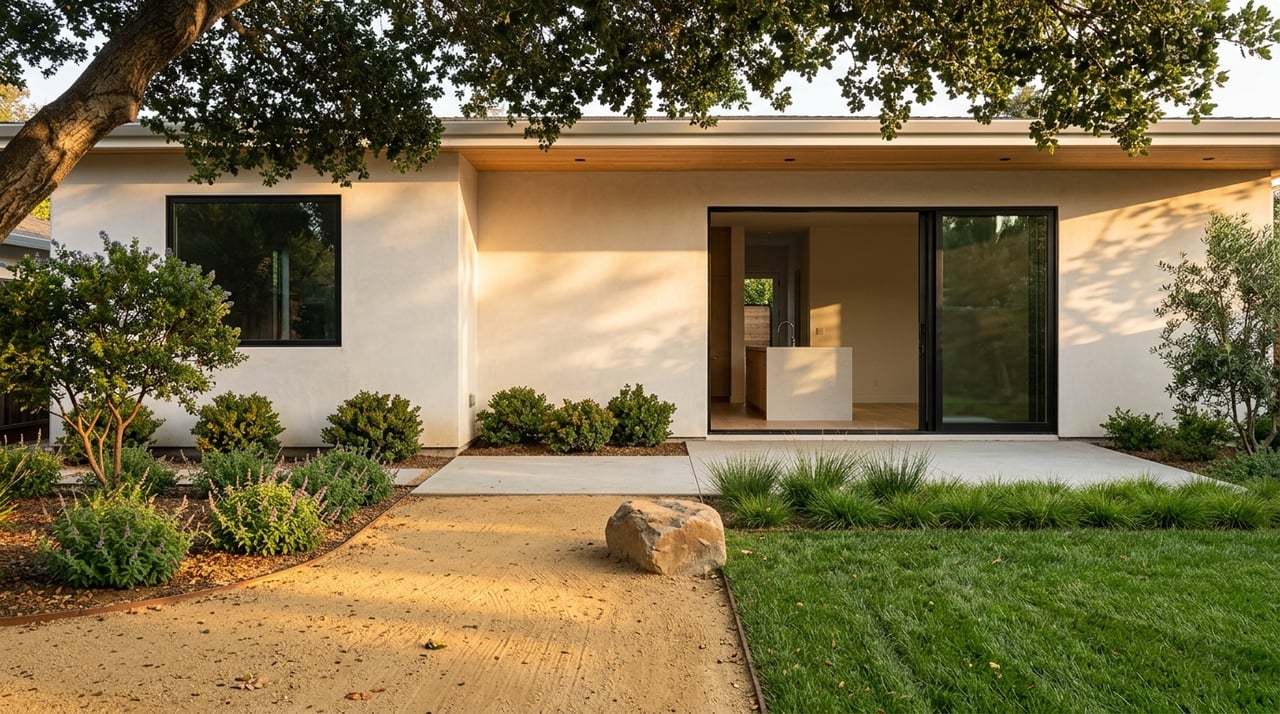
First impressions drive showings and offers.
- Refresh landscaping with low‑maintenance, drought‑tolerant choices suited to the Bay Area.
- Power‑wash or repaint as needed; update the front door and hardware.
- Repair visible issues such as trim rot, gutters, or roof shingles.
These updates are often low cost with outsized impact on buyer perception.
Systems, safety, and energy features
Buyers are risk‑averse about hidden problems.
- Address roof leaks, older electrical panels or wiring, and plumbing concerns.
- Replace aging HVAC and add insulation where lacking.
- Consider pre‑wiring a simple level‑2 outlet for EV charging in the garage.
- Solar can add value in some cases; ROI varies based on ownership structure and comparable homes.
These fixes protect your sale price by preventing inspection issues and renegotiations.
ADUs and garage conversions: proceed with caution
Accessory dwelling units can add flexibility or rental potential, but they require careful analysis.
- Expect higher upfront costs and longer permitting timelines.
- Check local rules for City of San Jose or Santa Clara County properties.
- Model ADU value as an investment, not a guaranteed resale boost. Keep design and scale aligned with neighborhood norms.
Projects to skip or de‑prioritize
- Ultra‑luxury kitchens with custom everything and chef‑grade appliances that exceed neighborhood comps.
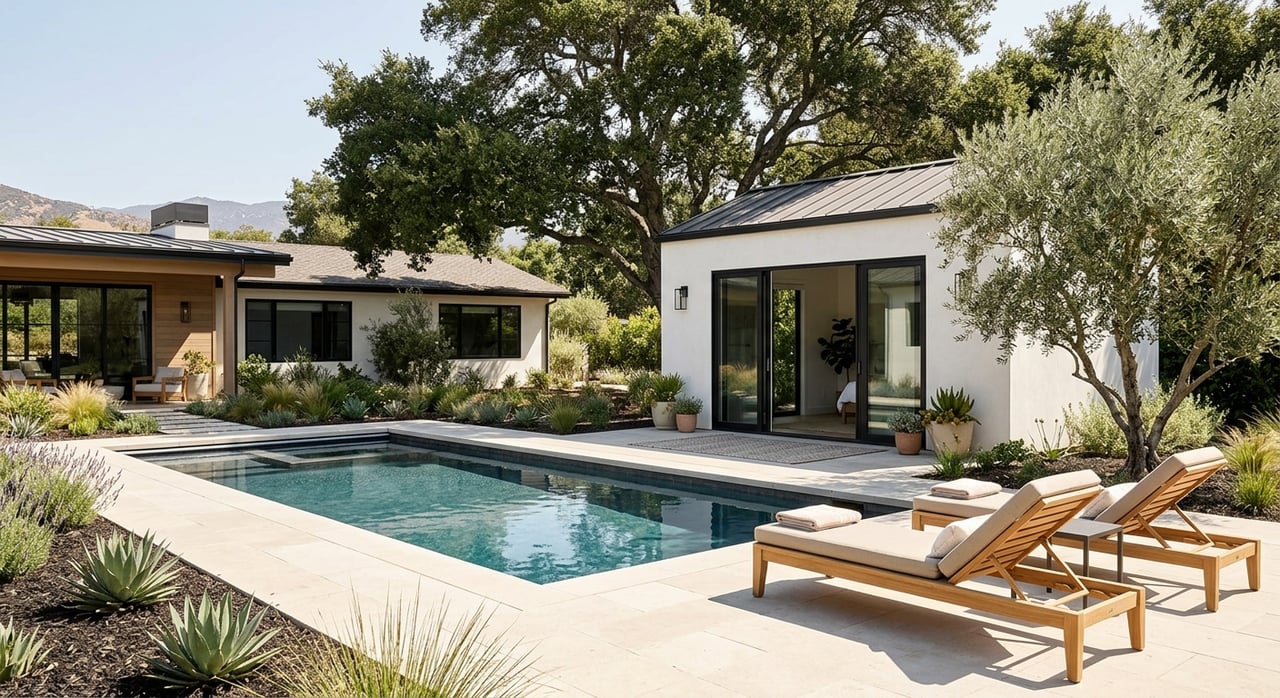
- New pools, which are costly to install and maintain and can narrow your buyer pool.
- Highly personalized design choices, dark or niche finishes, or themed rooms.
- Large additions that push the home well beyond local size norms.
- High‑water, high‑maintenance landscaping.
- Any unpermitted work. It can derail escrow and is never a value add.
In Cambrian Park, buyers reward functionality, condition, and tasteful updates more than extreme customization.
Your 6–18 month game plan
0–2 months: assess and plan
- Walk the home with a local agent to flag deal‑breaker items like roof issues, moisture concerns, or safety hazards.
- Order a home or pre‑listing inspection to reveal hidden problems early.
- Build a short list of vetted contractors and get 2–3 bids on priority projects.
2–6 months: tackle midscale updates
- Start kitchen and bath refreshes, flooring, and curb appeal work that need minimal structural changes.
- Submit permit applications for work that requires approval. Note whether you are in San Jose city limits or unincorporated Santa Clara County, as requirements and timelines differ.
6–12+ months: major projects if needed
- Begin permit‑heavy items early, such as ADUs, additions, or large electrical upgrades. These can take many months.
- Weigh time to complete against your preferred listing window and expected market conditions.
Typical budget ranges to start conversations
- Minor kitchen refresh: about $10k to $40k depending on scope.
- Midrange kitchen remodel: about $40k to $150k+ based on size and materials.
- Bathroom refresh: about $5k to $40k.
- Flooring replacement: from a few dollars per square foot for basic vinyl to $6–12+ for engineered hardwood or premium LVP.
- Curb and landscape refresh: a few thousand to low five figures.
Actual costs in the Bay Area can run high. Always obtain local bids.
Permits and jurisdictions: San Jose vs. County
Permit rules vary by location. Properties inside the City of San Jose follow city requirements, while homes in unincorporated areas follow Santa Clara County. Minor interior permits may be approved in weeks; structural changes and ADUs can take months. Build in time for plan checks, revisions, and inspections, and keep documentation for buyers during escrow.
Pricing to the neighborhood ceiling
Work with a local agent to pull recent Cambrian Park sales and study finish level, square footage, and days on market. The goal is to reach the neighborhood standard, not to become a luxury outlier. Aligning upgrades with the market ceiling helps you avoid overspending and increases the chance of multiple strong offers.
Choosing contractors and managing the work
- Confirm California contractor licensing, insurance, and references.
- Ask for a detailed scope, realistic timeline, and a payment schedule tied to milestones.
- Require a clear change‑order policy in writing.
- Keep permits, warranties, and invoices organized to present to buyers.
Staging and final prep before listing
- Use neutral interior paint and consistent flooring.
- Address small repairs, clean or replace carpet where needed, and declutter.
- Stage to emphasize flow in ranch layouts: open sight lines from the kitchen, bright bathrooms, and a tidy, usable backyard.
Next steps
If you are 6–18 months out, a targeted plan can save time and money while lifting your sale price. Schedule a free concierge prep consult to review your Cambrian Park house, prioritize updates, and outline budget, likely ROI, and permit steps. For a tailored plan and senior‑level guidance from prep through close, reach out to the Bouja & Swenson Group.
FAQs
Which remodels add the most resale value in Cambrian Park?
- Midrange kitchen and bath refreshes, cohesive flooring, curb appeal updates, and well‑maintained systems typically deliver the strongest, most reliable ROI.
Should I do a full luxury kitchen in a Cambrian ranch?
- Usually no; ultra‑high‑end builds often overshoot neighborhood comps, increasing cost without a proportional price bump at resale.
Are ADUs worth it for resale in Cambrian Park?
- It depends; ADUs can add utility or rental potential, but high costs and longer timelines mean you should evaluate them as investments, not automatic value boosters.
How far in advance should I start permits and planning?
- Begin planning 6–18 months ahead; minor permits may take weeks, while structural work or ADUs can require several months for approval and construction.
What are typical costs for a Cambrian Park refresh?
- As ballpark ranges, plan about $10k–40k for a kitchen refresh, $5k–40k for a bathroom, and a few thousand to low five figures for curb appeal, with local bids confirming specifics.
How do I avoid over‑improving for the neighborhood?
- Use recent Cambrian Park comps to set a finish‑level target and size range, and focus on meeting, not exceeding, the neighborhood standard.