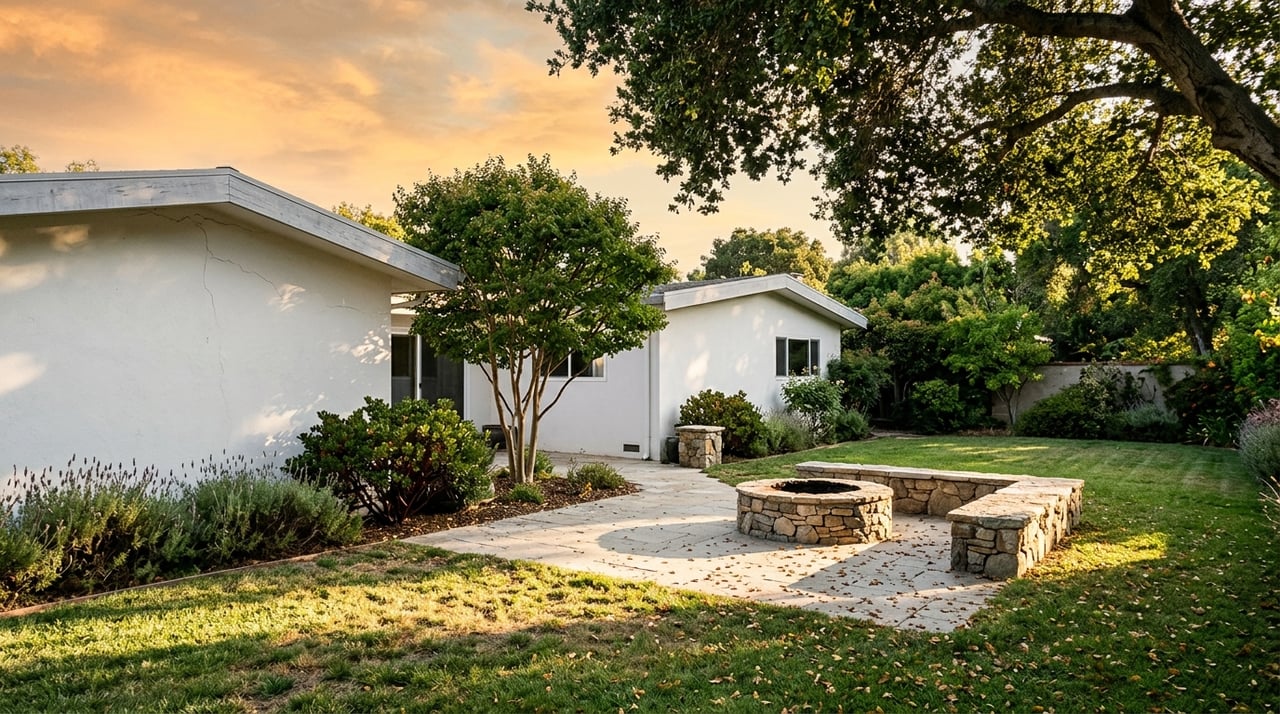
From Ticker to Title

Real Estate November 20, 2026

On November 19, 2026, Silicon Valley witnessed one of the biggest wealth-creation events in modern financial history. Anthropic priced its initial public offering at $83 per share and began trading on the Nasdaq under the ticker ANT, raising $81.3 billion at an approximate $1.5 trillion valuation.

Behind the Wall Street headlines lies a profound local reality: thousands of Bay Area engineers, researchers, and early employees—alongside seven co-founders whose stakes are now valued at over $19 billion each—just saw years of paper equity transform into public market wealth.

For Silicon Valley real estate, an IPO of this magnitude isn’t just a news story—it is a multi-quarter demand catalyst. However, unlike the dot-com boom or past tech listings, this liquidity wave won't hit the housing market all on a single Friday. Understanding when that capital actually unlocks—and where it is flowing across the Peninsula and South Bay—is essential for both buyers and sellers heading into 2027.


Why This Liquidity Wave Moves in Three Distinct Phases


A common misconception is that an IPO immediately floods open houses with all-cash buyers the next morning. In practice, equity turns into real estate on a staggered calendar governed by lockup rules and tax planning:

  1. The Immediate Window (Late November 2026): Under Anthropic’s offering structure, eligible non-founder employees can sell up to 10% of their vested equity during an initial trading window right after the debut. Expect early movers—especially senior hires who already had their eye on a home—to step into the Q4 and early-Q1 market with fresh down-payment liquidity.
  2. The Spring Surge (Late February – March 2027): Roughly two trading days after Anthropic’s first quarterly earnings report as a public company, a second window opens allowing employees to sell up to an additional 35% of their holdings (45% cumulative). This timing aligns directly with the start of the spring real estate market.
  3. Full Lockup Expiration & 10b5-1 Plans (May 2027): Standard 180-day lockup restrictions expire in mid-to-late May 2027, unlocking remaining shares through pre-scheduled 10b5-1 trading plans. By early summer, the broadest base of newly liquid employees will be positioned to buy, upgrade, or diversify into tangible real estate.

Compounding this timeline is the broader macro picture: Anthropic’s debut arrives just ahead of SpaceX’s December 2026 lockup expiration and amid mounting anticipation around a potential OpenAI public listing in 2027. Rather than a one-off spike, Silicon Valley is entering a sustained, multi-wave liquidity cycle.


How the "Anthropic Effect" Ripples From San Francisco to the South Bay


Early indicators in San Francisco already show what happens when AI wealth collides with chronically tight housing supply. Ahead of the listing, San Francisco’s median single-family home price climbed 29% year-over-year to $2.39 million, fueled by competitive AI compensation packages and pre-IPO anticipation.

As equity unlocks over the coming months, that pressure naturally radiates outward along the Peninsula and down into the South Bay:


  • Ultra-Prime Peninsula Enclaves Tighten Further: Trophy estates and turnkey homes in Atherton, Menlo Park, and Palo Alto consistently absorb the earliest wave of centimillionaire and executive liquidity. Because inventory in these zip codes is finite, increased buyer competition pushes prices higher and drives more transactions off-market.
  • The South Bay Value & Lifestyle Pivot: For buyers who are priced out of Menlo Park—or who simply want more acreage, privacy, and premier public schools without sacrificing access to Bay Area tech hubs—communities like Los Gatos, Saratoga, Monte Sereno, and Willow Glen become prime destinations. Newly liquid tech families frequently prioritize long-term lifestyle stability, larger lots, and walkable village charm over ultra-short commutes.
  • A Flight to Quality and Privacy: Reports on post-IPO buyer behavior highlight a preference for purchasing primary residences, supporting family, and acquiring properties through LLCs for privacy rather than flashy luxury spending. Turnkey estates, view properties, and homes with space for multigenerational living or private home offices are poised to see the strongest demand.


Strategic Takeaways for Silicon Valley Buyers and Sellers

If You Are Buying With Newly Public Equity


  • Separate Paper Value From Verified Cash: Lenders and listing agents underwrite verified, liquid funds—not unvested RSUs or headline opening prices. Work with your CPA and wealth advisor early to map out your after-tax proceeds across the November, March, and May windows.
  • Start Touring Before Your Lockup Expires: The most coveted homes in Los Gatos, Saratoga, and the Peninsula rarely sit on the MLS. Building relationships and previewing private inventory 60 to 90 days before your shares unlock puts you in position to act decisively the moment your cash settles.

If You Are Considering Selling


  • Position Ahead of the Spring and Summer Waves: Sellers who prepare their homes during the winter months can capture both early-window buyers in Q1 and the larger March/May liquidity waves as inventory remains constrained.
  • Presentation and Off-Market Reach Matter: Newly liquid tech buyers have high standards and busy schedules—they overwhelmingly favor move-in-ready homes and quiet, well-vetted private opportunities.


Planning Your Next Move Around the 2026–2027 Liquidity Cycle?

Whether you are translating newly vested equity into a long-term family estate or evaluating how upcoming buyer demand impacts your home’s value, strategic timing makes all the difference. Reach out to Bouja & Swenson Group for a confidential consultation, neighborhood market analysis, or access to private Silicon Valley inventory.

Connect with Us Today

Having the right team on your side makes all the difference. At Bouja & Swenson Group, we’re ready to connect with you and provide the personalized service you deserve.